Straight forward, witty and timeless. #TellItLikeItIs, is a blog for our generation 

If you’re 30-plus, out in the world trying to make adulthood work—and possibly juggling one or more kids—this one’s for you.
Dear Gen Y, are you surviving these relentless waves of grocery price increases? Because let’s be honest: it feels brutal out here.
We keep hearing all the polished, politically correct explanations for the rising costs—war, threats of war, fuel prices, tariffs, global supply chain issues—you name it. But no matter how sensible the explanations sound, we, the consumers, feel the pinch the most.
Remember when our parents used to joke about buying a large Shirley biscuit for 5 cents back in their day? Well, it’s no longer funny because it’s our reality now. And that same Shirley biscuit? Try $3–$4 in 2025. Yes, really.
So how do we survive these rising tides of change?
By becoming smarter and more intentional about our grocery budgeting.
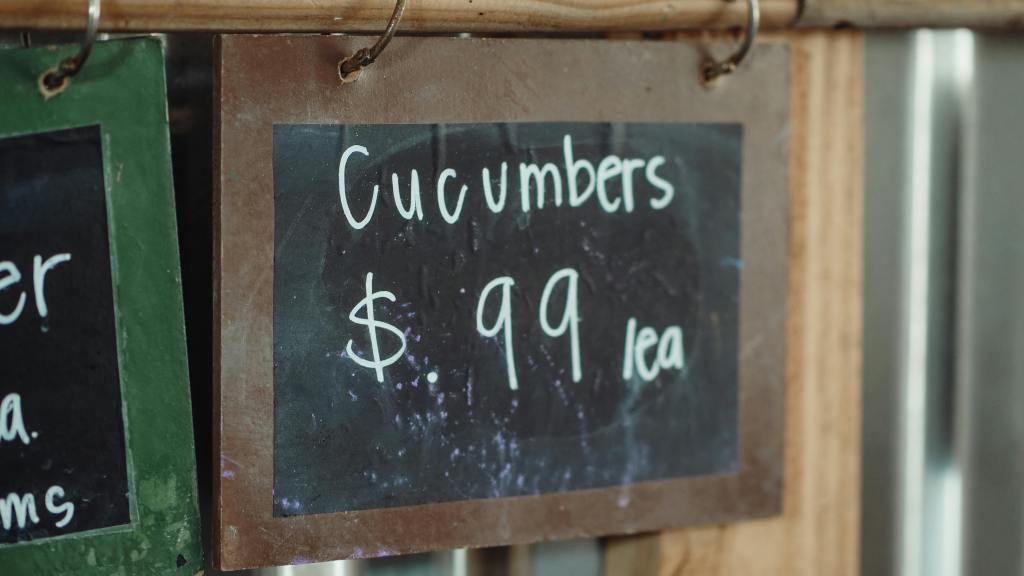
Now, let’s be honest. Most people cringe at the word budgeting. It brings to mind straight-faced accountants, spreadsheets, and tedious expense tracking—basically, the boring stuff. But as we said in our last two magazines: growth is essential, and growth often requires looking directly at the uncomfortable things. Budgeting included.
Lucky for you—we’re keeping it simple.
Here are 7 Budgeting Moves to Keep You Steady Through Grocery Price Increases in 2025:
1. Plan Your Meals Around What You Already Have
Start by checking your own pantry and cupboards to see what’s actually there. Too often, we shop on impulse without a real plan, only to spend more than we need to. Before heading to the store, look at what’s left over — you might be surprised by how many complete meals you can pull together from the ingredients you already have on hand. This simple step can trim your budget and reduce waste all at once.
2. Start With a Realistic Weekly Budget
Not a fantasy number. Not what it was last month. Not the budget you wish you had — but the real, workable figure you can actually maintain. That means looking at your true net income after bills and mandatory expenses and building your weekly grocery limit from there. When the number is honest, the plan becomes doable.
3. Make a Grocery List—and Stick to It
Impulse buys are the silent assassins of your budget. Make a list and do your best to stick with it.
4. Shop at Various Locations for the Best Prices
No one store has it all at the lowest price. Some products are cheaper at wholesalers, others at your local market. Compare, explore, and mix it up — finding the best prices is all about being flexible and smart with where you shop.
5. Buy Essentials First
Get the must-haves before the nice-to-haves. If there’s money left, then you treat yourself.
6. Part With Unnecessary Purchases & Takeout
You’ll be amazed how much money you reclaim by cutting that extra snack run or spontaneous takeout order.
7. Compare Price per Unit, Not Price per Package — and Watch Out for Missing Labels
The bigger or prettier package isn’t always the better deal. Go with the facts: check the unit price and let the math guide you, not the packaging.
Also, be cautious with items that have no price labels. More often than not, those are the ones that end up costing more than you expected—and by the time you reach the cashier, the pressure is on to just pay and move on.
If a price isn’t shown, take a moment to scan it or ask the nearest cashier before you check out. A quick check now can save you from surprise spending later.
At the end of the day, surviving grocery prices in 2025 isn’t about perfection—it’s about being intentional. We may not control the global economy, but we can control how we shop, plan, and spend. And those small choices add up.
Start with one habit, one list, one smarter decision.
Bit by bit, your money stretches further, your stress lightens, and you regain a sense of stability. That’s how we stay steady, Gen Y—even when prices keep climbing.
You’ve got this.
Let us know what you think on Facebook or email us; we’d love to hear from you. 🌍✨
Written by: Dilma Bastien
For: Generation Y Dominica
 Generation Y Dominica