Straight forward, witty and timeless. #TellItLikeItIs, is a blog for our generation 

‘The mind is a terrible thing to waste’ is a popular saying by former head of the United Negro College Fund, Arthur Fletcher. This saying can be positioned to mean many things, because the mind really is such an intricate and complex part of the body. Owing to the fact that it is a terrible thing to waste, it is never too late, or too early, to start taking care of your mind and your mental health.
The mind can go to waste in many ways. Just like the body without exercise can lose its desired figure, in a similar fashion, the mind also doesn’t function at its optimal capacity if it is not exercising or engaged in meaningful activity. By exercise we mean challenging your mind through reading, learning, exploring, and discovering new things to keep mentally active and open to new possibilities.
Another way the mind could go to waste is through drug use and substance abuse. The effect of harmful foreign elements on someone’s body is vast and varied and when the mind is affected by harmful substances, it may likely inhibit the person from functioning as an independent and contributive member of society.
Severe mental illness and mental disorders can also affect one’s ability to make the best use of their mind. Here we speak of well known illnesses such as dementia and Alzheimer’s, Bipolar disorder, previously known as manic depression, which is characterized by periods of depression and periods of abnormally elevated mood that last from days to weeks each or Schizophrenia, a mental disorder characterized by continuous or relapsing episodes of psychosis. Major symptoms include hallucinations (typically hearing voices), delusions, and disorganized thinking. – Wikepedia.com.
Some of these are hereditary, while others are affected by factors such as genetics, environmental impact, abuse or substance use. Work is ongoing to help make those who are afflicted with these conditions more comfortable with dealing and living with their diagnosis.
Did you know?
Apart from major mental illnesses, there are a number of common mental health disorders which can affect literally, anyone at any time. Just like Covid, these disorders don’t recognize social class, ethnicity, religious beliefs or political preference; they can affect anyone.
Our top six (6) list of these common mental health disorders are:
- Depression –Depression refers to a wide range of mental health problems characterized by a loss of interest and enjoyment in ordinary things and experiences, low mood and a range of associated emotional, cognitive, physical and behavioral symptoms. A lack of libido, fatigue and diminished activity are also common, although agitation and marked anxiety can frequently occur. Typically there is reduced sleep and lowered appetite, but some people sleep more than usual and have an increase in appetite. A loss of interest and enjoyment in everyday life, and feelings of guilt, worthlessness and deserved punishment are common, as are lowered self-esteem, loss of confidence, feelings of helplessness, suicidal ideation and attempts at self-harm or suicide (Cassano & Fava, 2002).
- Generalized anxiety disorder (GAD) – The essential feature of GAD is excessive anxiety and worry (apprehensive expectation), occurring on more days than not for a period of at least 6 months, about a number of events or activities. The person with GAD finds it difficult to control the anxiety and worry, which is often accompanied by restlessness, being easily fatigued, having difficulty concentrating, irritability, muscle tension and disturbed sleep (Brown et al., 2001).
- Panic disorder –People with panic disorder report intermittent apprehension, and panic attacks (attacks of sudden short-lived anxiety) in relation to particular situations or spontaneous panic attacks, with no apparent cause.
- Obsessive-compulsive disorder (OCD) – OCD is characterized by the presence of either obsessions or compulsions, but commonly both. An obsession is defined as an unwanted intrusive thought, image or urge that repeatedly enters the person’s mind. Obsessions are distressing, but are acknowledged as originating in the person’s mind and not imposed by an external agency. They are usually regarded by the individual as unreasonable or excessive. Common obsessions in OCD include contamination from dirt, germs, viruses, body fluids and so on, fear of harm, excessive concern with order or symmetry, obsessions with the body or physical symptoms, religious, sacrilegious or blasphemous thoughts, sexual thoughts, an urge to hoard useless or worn out possessions, or thoughts of violence or aggression (Lochner & Stein, 2003).
- Post-traumatic stress disorder (PTSD) – PTSD often develops in response to one or more traumatic events such as deliberate acts of interpersonal violence, childbirth, severe accidents, disasters or military action. The most characteristic symptoms of PTSD are re-experiencing symptoms. People with PTSD involuntarily re-experience aspects of the traumatic event in a vivid and distressing way. Symptoms include flashbacks in which the person acts or feels as if the event is recurring; nightmares; and repetitive and distressing intrusive images or other sensory impressions from the event.
- Social anxiety disorder – Also referred to as social phobia, is characterized by an intense fear in social situations that results in considerable distress and in turn impacts on a person’s ability to function effectively in aspects of their daily life.
More on these disorders here – COMMON MENTAL HEALTH DISORDERS – Common Mental Health Disorders – NCBI Bookshelf (nih.gov)
Mind your Mind
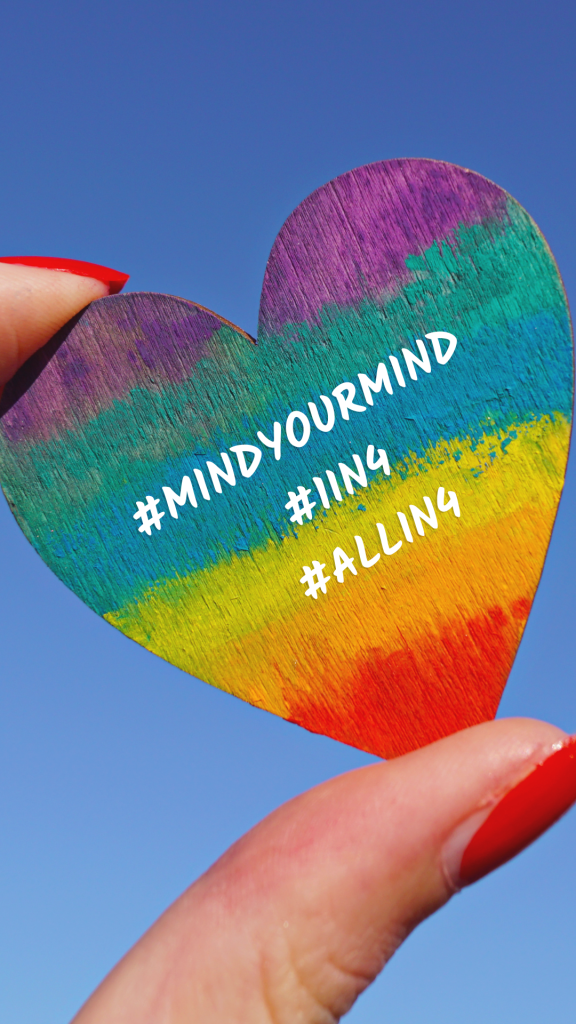
Taking care of your mental health is essential for you to live a successful life. Mental health equals wealth. October 5th 2022 was dubbed ‘Hashtag’ Day by the Julie Roberts foundation run by founder & Dominican Julie Roberts. This day was selected as a day to raise awareness of mental health disorders by posting hashtags on social media such as – #mindyourmind. The foundation also prepared other activities for mental health awareness day October 10th. Visit them @thejulierobertsfoundation on Facebook.
4 great tips for taking good care of your mental health

Having good mental health is more valuable than gold. The Latter you can always find ways to replenish if it runs out, but the former – fairly irreplaceable.
Generation Y Dominica is more than happy to share with you a few tips for taking care of your general mental health during everyday life:
- Get regular exercise. Your schedule may be tight and you may have several commitments, but try to squeeze exercise in for at least 30 minutes in the day. This could be as simple as walking, biking or even swimming. Exercise is great for stress release among other things and you will definitely notice the mood booster.
- Eat healthy and regularly and stay hydrated. You’ve heard the term ‘hangry’ in that someone who doesn’t eat is angry or moody. Food plays a vital role in keeping you emotionally balanced. But eating the right foods is even more important. Healthier eating choices equal a healthier body all around.
- Prioritize your sleep. Sleep is important. We’ve heard the recommended 8 hours a night. However, if this cannot work for you, get as close to eight hours as you possibly can and be sure to sneak in some power naps. Sleep is extremely important for all your body’s rest, repair, and rejuvenation functions, including those of your mind.
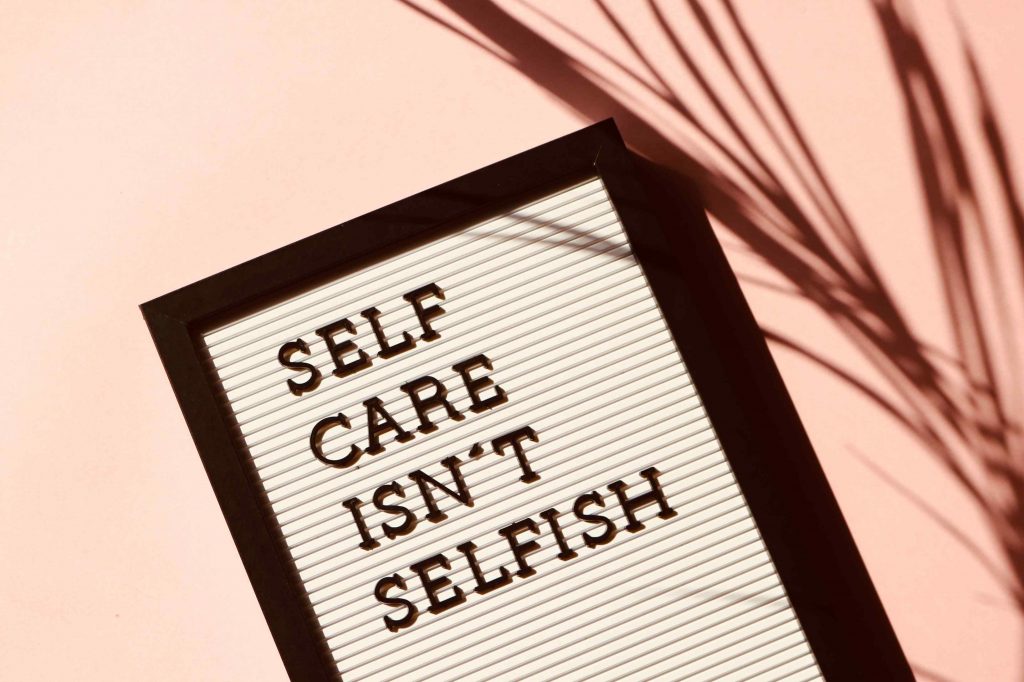
4. Really focus on being positive and maintaining positivity. Doesn’t it seem like it’s easier to be and think negative rather than positive? That’s exactly it. Being and thinking negative is easy so most people pretty much give in to negative thoughts, attitudes, moods and feelings. But being positive is not as far out of reach as one may think.
It may ‘appear’ challenging but once you start changing the question from ‘why me?’ to ‘what is this trying to teach me?’ it’s easier to put into effect. Looking at things from a different angle will help you to realize that there are many things to be grateful for and lessons to learn from experiences. Identify and challenge your negative and unhelpful thoughts. Maintaining positive thinking gives you a greater outlook on life.
“It’s a funny thing about life, once you begin to take note of the things you are grateful for, you begin to lose sight of the things that you lack.”
– Germany Kent
Perhaps you may have other practices that help you maintain balanced mental health, such as daily meditation and yoga, self help videos and motivational speeches (thank you youtube).
These and more tips available at NIMH » Caring for Your Mental Health (nih.gov).
Feel free to utilize whichever suggestions that best fit your lifestyle. Remember mental health is key in maintaining an overall healthy state of being.
Live healthy, live free, live to the fullest.
Written by: Andrea Louis & Dilma Bastien
For: Generation Y Dominica

 Generation Y Dominica